6x1

Six steps towards one goal

6x1 methodology

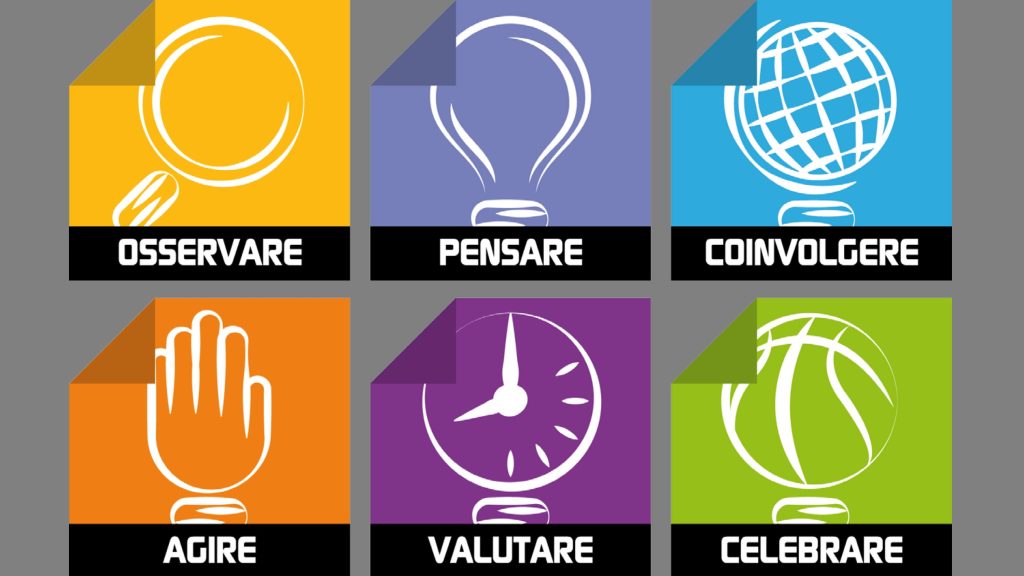
Six steps
to build peace

Peace can seem a distant ideal that is hard to achieve, and it can be discouraging not to see the results of our actions straight away. The ‘6x1 — 6 steps towards one goal’ methodology, developed by the Teens for Unity Movement and inspired by the educational approach of Service Learning, helps children and young people plan peace initiatives effectively, practically and collaboratively.

Through six stages, the group develops a shared understanding of its local area, identifies real needs and defines how it can contribute to making things better.

The journey

Six stages towards
a shared goal

Observe

Let’s look around

We engage with our local community, strengthening our ability to notice its ‘grey areas’ and ‘hear the cry’ arising from the world around us. It is through encountering other people’s suffering, and the problems and injustices in our neighbourhood or city, first hand that our indignation and anger become the motivation and driving force for the change we want to bring about.

Choose

Let’s bring our ideas together

Together, we assess what we have seen, heard and gathered. Through a participatory process, we decide where action is most urgent and important.

Involve

Together we are strong

We talk to those directly affected by the problem and identify people or groups whose knowledge, experience or skills could help us address it. Are there other people or associations in the area working on the same problem? We explore how to join forces to achieve our shared goal.

Plan and act

Let’s roll up our sleeves

We carefully design our action, divide up the tasks, plan the stages and then… take action!

Evaluate

Learning to improve

This recurring, cross-cutting stage runs throughout the 6x1 journey. It is important to pause regularly to reflect on and understand what we are experiencing, what we are learning and how it relates to our group’s identity. Have we shared positive experiences within the group or with the programme’s participants? What difficulties have arisen, and how can we best address them as we work towards our goals? Let’s share them to encourage one another, grow together and overcome difficult moments.

Celebrate

Let’s celebrate

At the end of a significant stage of the programme, or after an important period in our journey (for example, a year), we gather to celebrate together and with the whole community. We look back on the steps taken, the goals achieved and those still ahead, acknowledging and thanking every participant. This helps us recognise what we have accomplished and share it with our wider community — our neighbourhood, association, school or fellow citizens.

An action for peace

‘A programme that seeks to restore human dignity through welcome, love and inclusion’ — an action for peace

In Ibiporã, southern Brazil, support for people experiencing homelessness has become a volunteering programme involving members of Living Peace, the Focolare Movement, parish movements and people wishing to promote fraternity and peace.

Observe

We began walking through the city streets, seeing many people left on the pavements, hungry, some intoxicated: society’s ‘invisible’ people, suffering, discriminated against and insulted because they have no home and are often dressed in rags.

Think

We want to and can change the world around us, doing more than offering food: showing interest, listening and helping with material, spiritual, mental and human needs. ‘Do to others what we would want done to ourselves.’ To meet all these needs, we need partnerships with different professionals and the support of public and civil authorities.

Involve

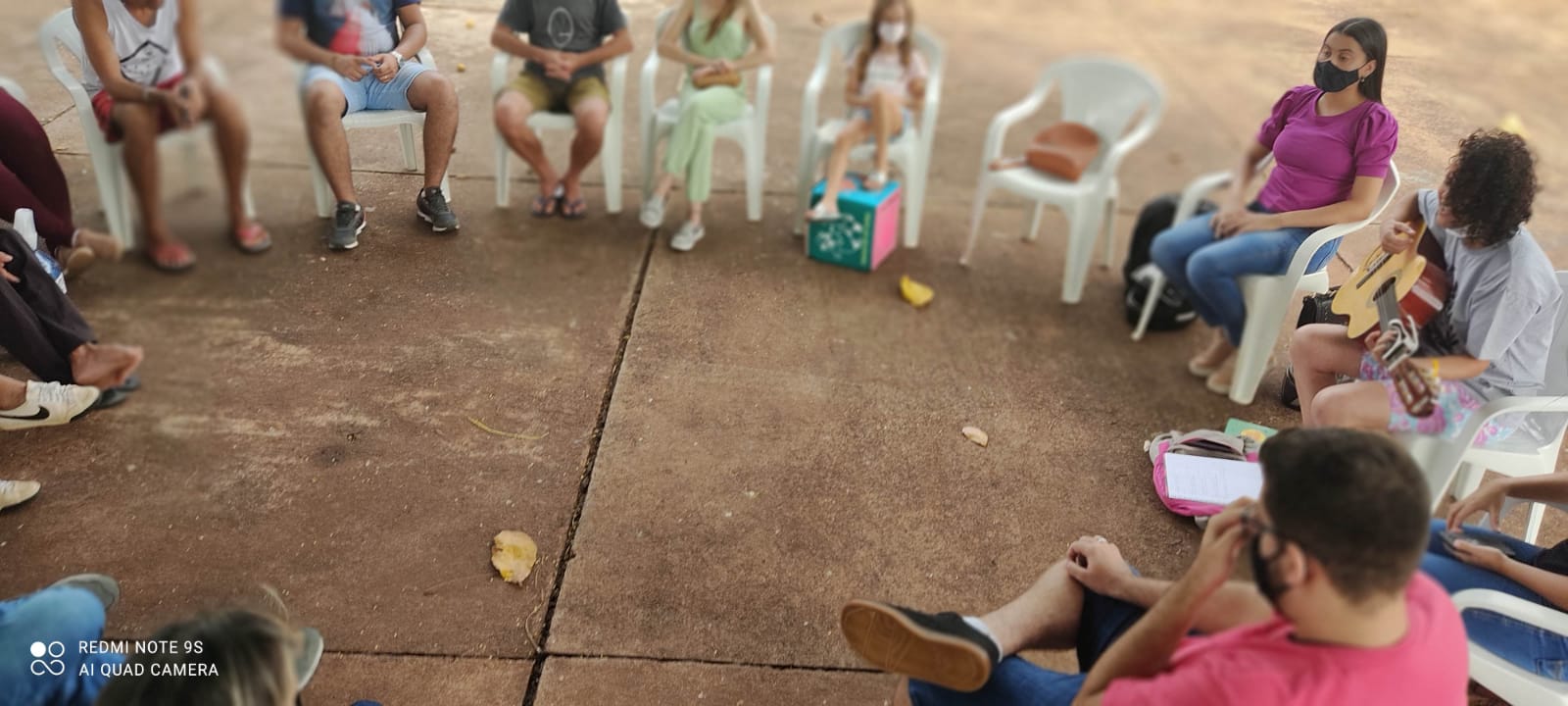
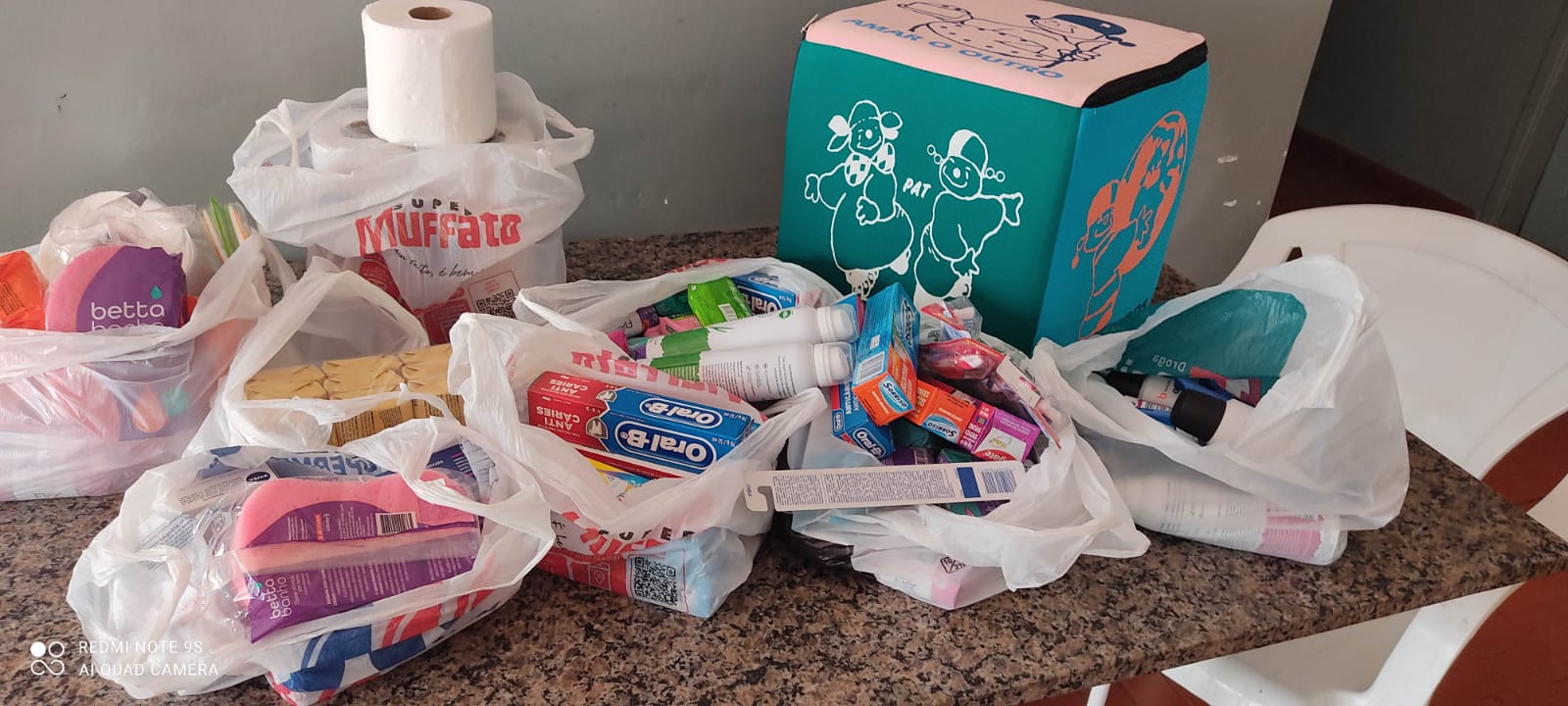
This activity brings people into volunteering: those who prepare food, clothes and hygiene supplies; the barber who trims beards and cuts hair; those who welcome people when they arrive and organise group activities; psychologists and social workers. Young people and teenagers are also actively involved.

Act

Meetings are planned at the beginning of the year, held on the second Saturday of each month in a parish hall with a kitchen, bathrooms and a meal-serving area. The programme was first developed by Living Peace and the Parish in 2018, when the first meeting took place. Since then, the support team has grown in numbers and expertise. Tasks are assigned in advance, with everyone responsible for their work, spaces and materials. The presence of priests, with blessings and reflection on the Word of God, helps participants feel welcomed by the Church as its children.

A key partner is Fazenda da Esperança, where we refer people who wish to leave street life and substance dependence for treatment and recovery. To support reintegration into the community and employment, a local company offers formal jobs, food parcels and housing. Municipal social services also cover the rent of a home for those choosing to leave the streets. The programme continues to develop and evolve to meet needs more effectively and ensure continuity.

Evaluate

Nearly 400 meals are served each year, alongside extensive guidance and support. Personal hygiene care and clean clothes also greatly improve participants’ self-esteem and their desire for happiness.

Celebrate

At the end of each year, we hold a celebration of fraternity with all our brothers and sisters living on the streets, preparing together for the approaching Christmas, which brings everyone hope for a happier, more fraternal life.