The Peace
Dice
METHODOLOGY
A simple gesture
that teaches
peace.
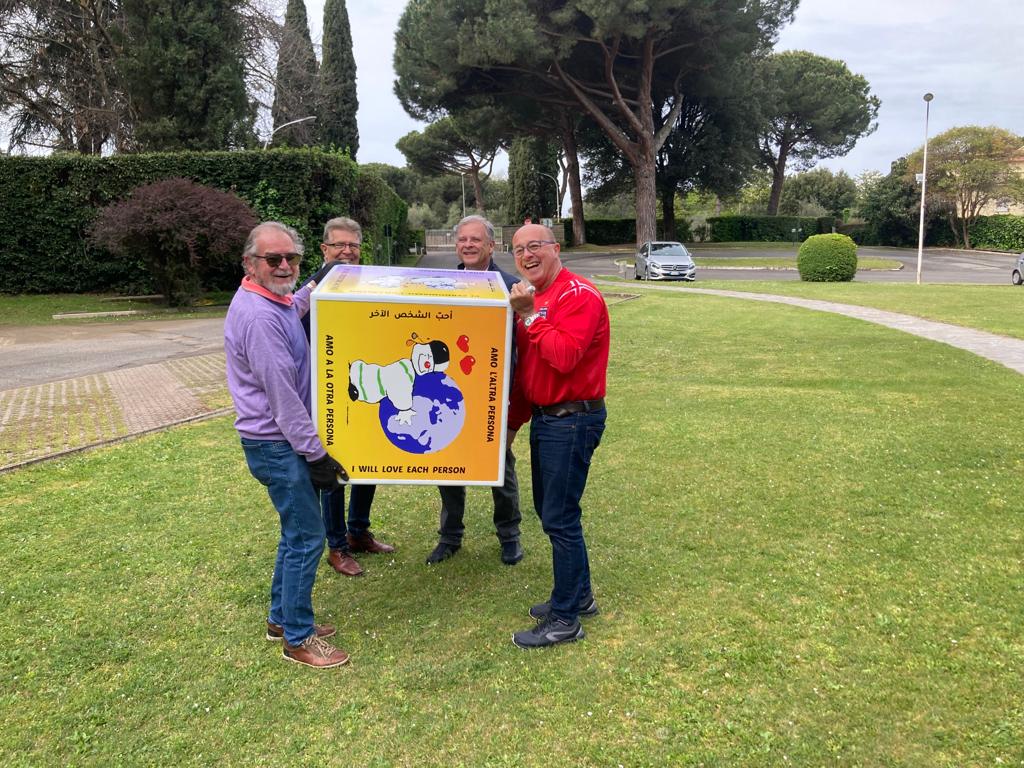
The Living Peace International programme is based on rolling the Peace Dice, whose faces bear phrases rather than numbers, helping everyone build peaceful relationships. It is inspired by the points of ‘The Art of Loving’, which Chiara Lubich introduced to children in the Focolare Movement through a dice.
The six actions of peace

I listen to others
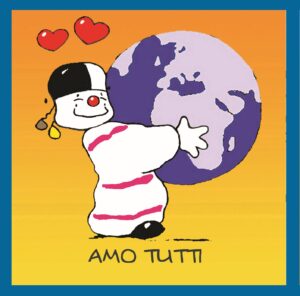
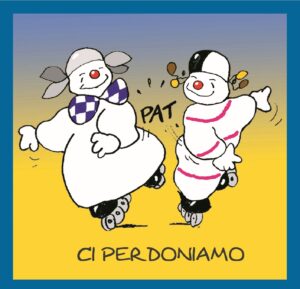
We love one another
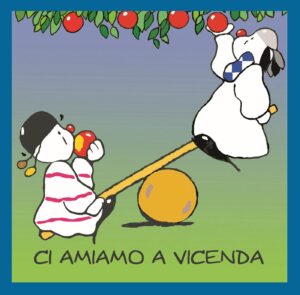
I love the other person

I am the first to love
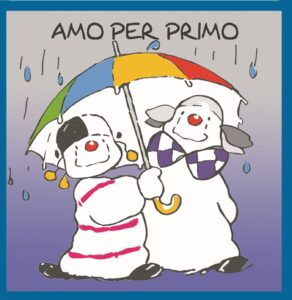
We forgive one another
An educational approach for everyone
The origins and history of the dice and the art of loving — Josep M.C.I. ArxerThe dice can be seen as a playful, teaching and educational approach (…) for everyone: families, schools, universities, workplaces and groups of all kinds. Its main aim is to promote positive relationships wherever it is used, enhancing and strengthening people’s prosocial skills.
The pedagogy of the dice — Teresa BoiPlay is considered an educational facilitation technique that helps develop each person’s potential and enrich cooperative learning environments based on sharing and the joint construction of knowledge.
The dice comes to life every day
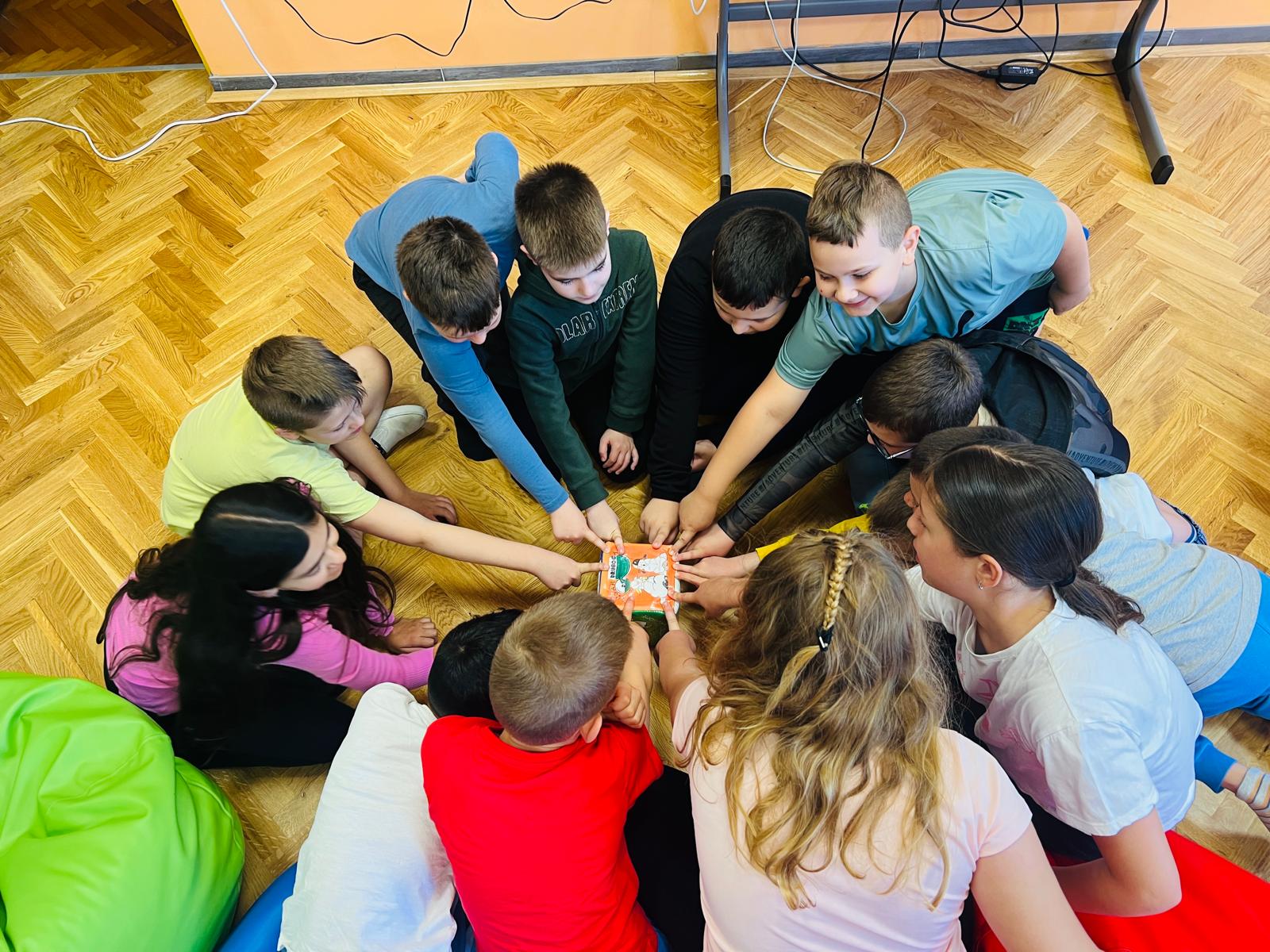
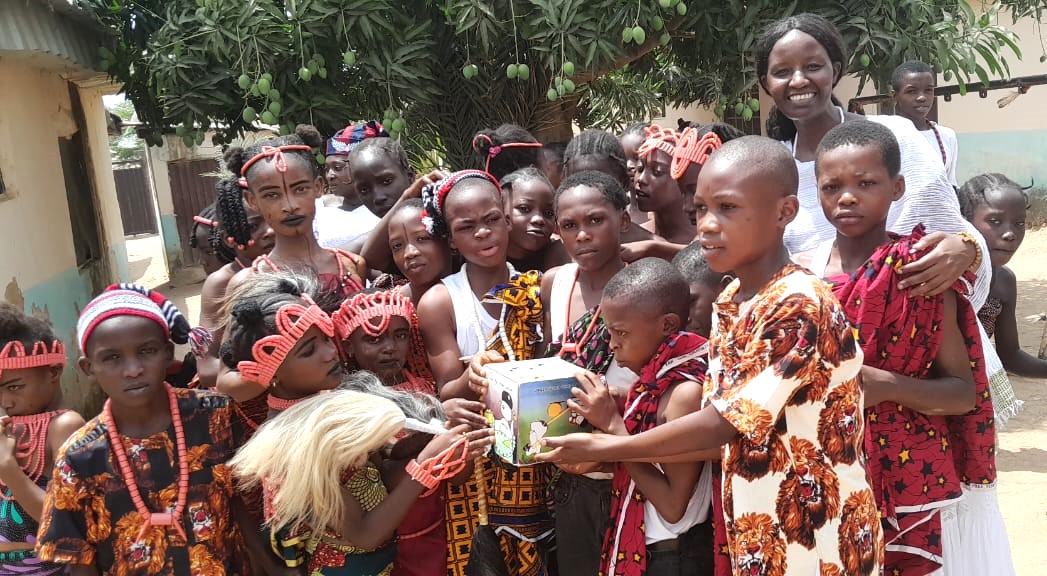
The dice is usually rolled every morning, or at another chosen interval. Everyone, young and old, commits to putting the phrase into practice. Afterwards, once a week or whenever possible, participants are invited to share their experiences of building peace. Schools, for example, may record them in a Peace Diary or on a Wall of Stories in the corridors. The creative possibilities are endless!

Peace that reaches
around the world
130+ Versions of the dice created
around the world
around the world
120+ Countries involved and
active communities
active communities
Thousands Of young people and adults
taking action every day
taking action every day
The Giant Peace Dice
Installed in squares, schools and communities.
Download and make your own dice
Download the template, print it and put it together.

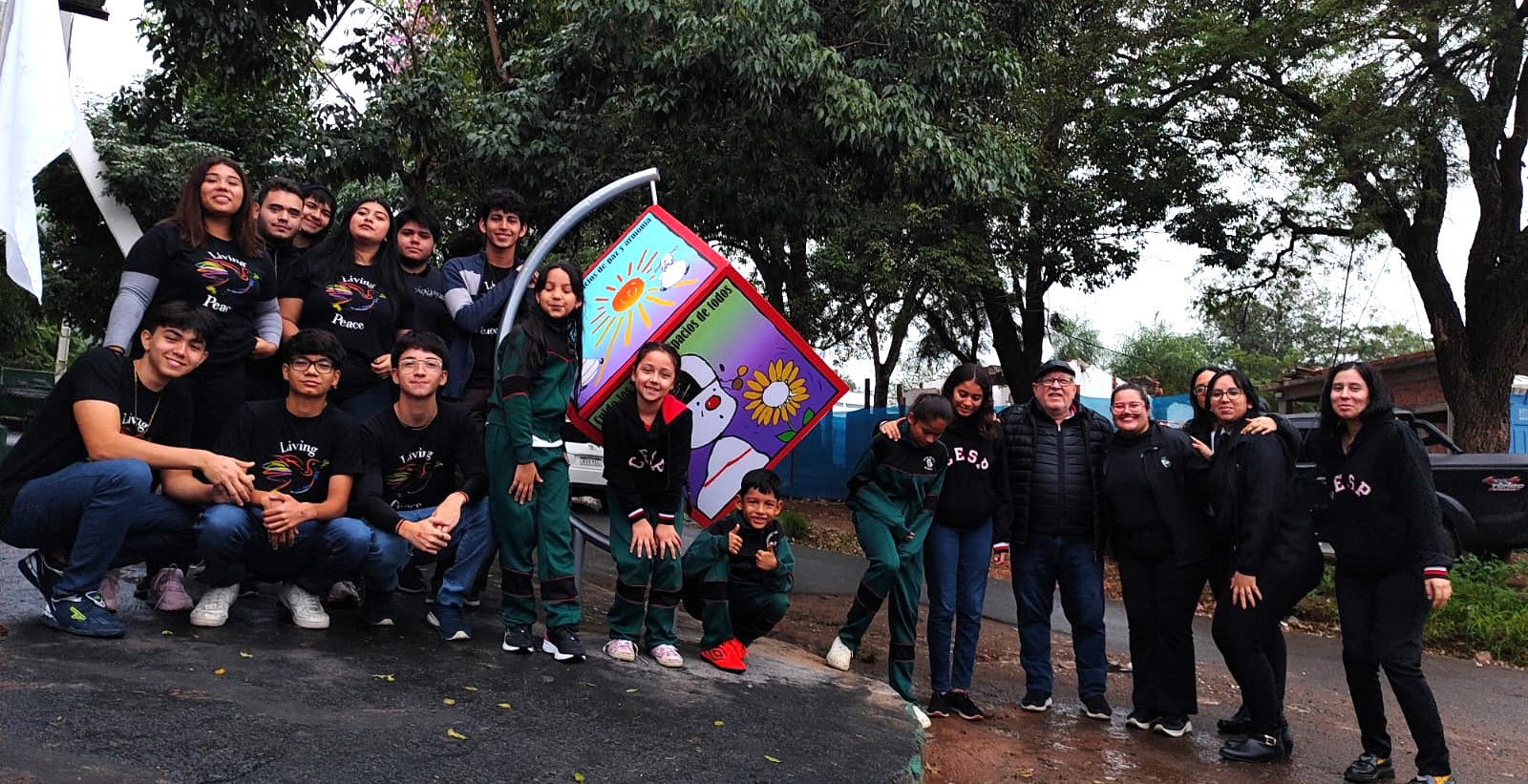
The Giant Peace Dice
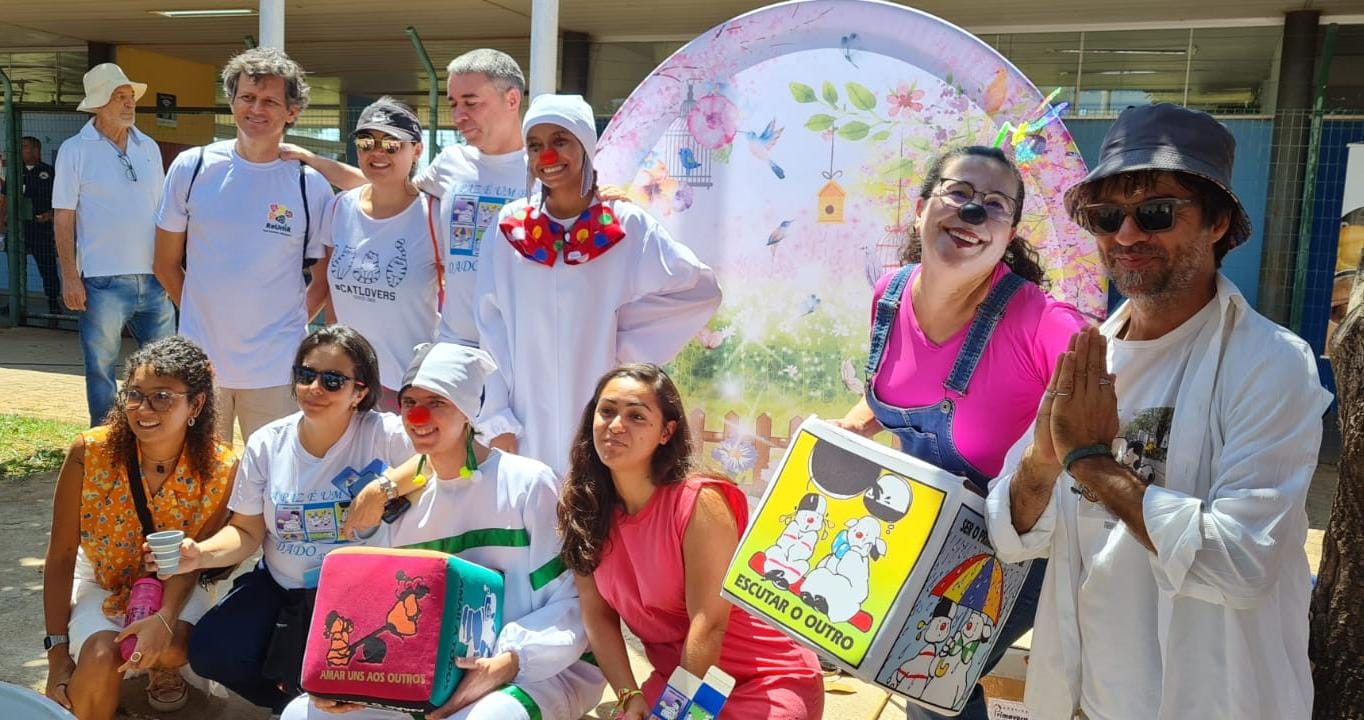
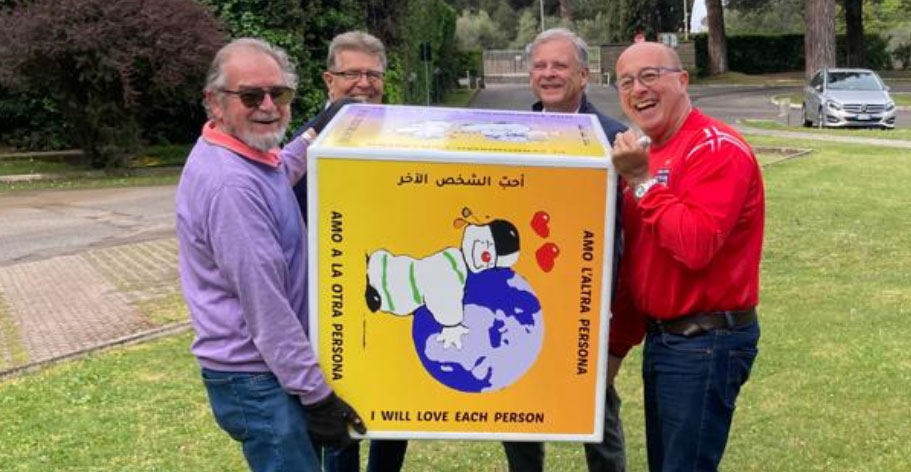
The Giant Peace Dice are a visible, symbolic version of the Peace Dice promoted by Living Peace International. Made on a large scale, they are used at public events, gatherings, schools and in squares to involve children, young people and adults in a simple yet powerful gesture: rolling the dice and living out the phrase it lands on.
Their visible, participatory nature encourages collective involvement, and they can be adapted to the participants’ culture, age and setting. They can become the focus of peace workshops, school activities, community, social, cultural or religious events, and public testimonies. Each roll is an invitation to practise peace, turning a symbolic gesture into an everyday commitment.